
How to Train Your Mind
The muscle everyone forgets about.

There’s something in my brain that makes me invent problems in every situation.
Maybe it’s genetic, or maybe it’s nurture, but either way, it’s always been there. I’ve always been both a problem-creator and a problem-solver.
Sometimes, this is actually a helpful trait. In Jiu-Jitsu, I analyze and overanalyze every position until I find the best solutions for me. My writing practice is mostly just me analyzing everything I see in the world.
When I am in a hard training camp, I just want it to be over. When it’s over, I just want to be back preparing for something. No matter how good everything is going, I can always find something to freak out about.
I’ve been like this ever since I was a kid. I’m typically my own worst enemy. There’s a negative voice in my head and every now and then, he’s a bit louder than I can handle.
I haven’t really found a great way to make the negative voice go away, but at the same time, dealing with that negative voice is something that I’ve gotten a lot better at.
Here are a few things I’ve learned about managing your mind - whether it’s for Jiu-Jitsu or life.
It’s okay to ask for help.
I dealt with pretty heavy depression when I was between 18-21.
I don’t really know what caused my depression at this time, but it was likely a combination of things. Knowing my family history of depression, anxiety, and alcoholism, I’m sure that was a factor. But I was also at a weird time in my life. I was in college, hated being there, and the only thing I was really decent at was doing pajama wrestling.
I wasn’t happy but at the time I didn’t really have a reason to be.
My mental health struggles culminated in a low point in 2018 when I experienced something called “depersonalization” - a dissociative condition where you view yourself outside your own body. It sounds like pretty trippy stuff, and to be honest, it was trippy.
I guess this was me hitting my “rock bottom” at the time, because after a low point in November 2018, I began to gradually improve.
But I didn’t just “pull myself together” like the Jordan Peterson book said.
I went to therapy. I did medication for 3 years. I wrote in my journal. I went for more walks. I worked hard at Jiu-Jitsu, but I also started to be a little less hard on myself.
It’s not like I became perfect overnight, but I started to improve.
Graduating from therapy.
I’ve been working with a mindset coach ever since July 2025.
The final moment that prompted this was when I went to Kazakhstan and got armbarred in 20 seconds.
But what really led me to investing in my mindset was a few other things that happened behind the scenes:
I was beginning to fall out of love with Jiu-Jitsu and competition (particularly, the competitive culture)
I was dealing with a lot of anxiety about Jiu-Jitsu and my life in the sport
I even went back to therapy, and I felt like my problems weren’t actually related to mental health anymore, but instead due to performance anxiety
Thanks to the Woj Lock, the Grappler’s Diary, and some competition success, I finally had a little bit of money to invest in my own development for the first time in years
So, I sought out a coach who I thought could help me get that edge back.
Here are a few important things that I have learned about mindset in the last 6 months:
Gratitude needs to be the basis of everything.
Learning how to manufacture gratitude when you need it is an essential skill.
Sometimes, there isn’t an obvious good reason to be grateful. Sometimes it feels more natural to be annoyed or dejected.
But if you dig, you can always find something. Your wife. Your friends. Your career. The shoes on your feet. Your coffee in the morning.
“It’s all part of the lore.”
Recently, I competed and I lost a referee’s decision match that I didn’t agree with.
When you have something like this, you can choose to either be spiteful, or you can choose to accept it as “part of the story”. By thinking this way, you can turn almost all adversity into gratitude that can be used to fuel forward momentum.
Getting screwed by the refs, getting passed up for opportunities, or even dealing with challenging injuries or weight cuts
“Surrender the outcome.”
The last important shift that’s been helpful for me has been accepting the idea that you can only really control so much of what actually happens in your life.
You can do all the training in the world and still lose the first round. You can put thousands of hours into your book and only sell a few copies. You can start the perfect business and still fail.
It’s best not to take any of it personally.
Do the best you can, be grateful for the opportunities you do have, accept adversity as part of the lore, and finally, surrender the outcome. Give yourself permission to fail, but do not give yourself permission to give anything but your best.
Closing Thoughts
One of the things that I loved about Jiu-Jitsu from the beginning was that it forced me to work on myself.
First, I had to work on techniques, physical fitness, and learning the sport. Then, I had to work on my mind a bit. Then, I had to work on the business side of the sport so I could make a living. Nowadays, I’m doing a bit of all of these things, and in order to survive, I’ve had to work harder than ever on my mindset.
Here are a few things I do that help me perform at a high level mentally:
Forcing myself out of my comfort zone every day
Journaling focused on gratitude
Practicing mindfulness (one of my favorite easy mindfulness activities is walking)
Creating to-do lists
Building a supportive team
Training that’s focused on building skills at specific tasks
Having balance in and out of the gym
What makes this fun is that while some of these habits have stayed with me for the last 10 years (like journaling, walking, and practicing mindfulness), some of these habits are pretty new.
Good training is done in cycles. Good training evolves over time. Good training breaks you down and builds you back up.
Train your body and train your mind.
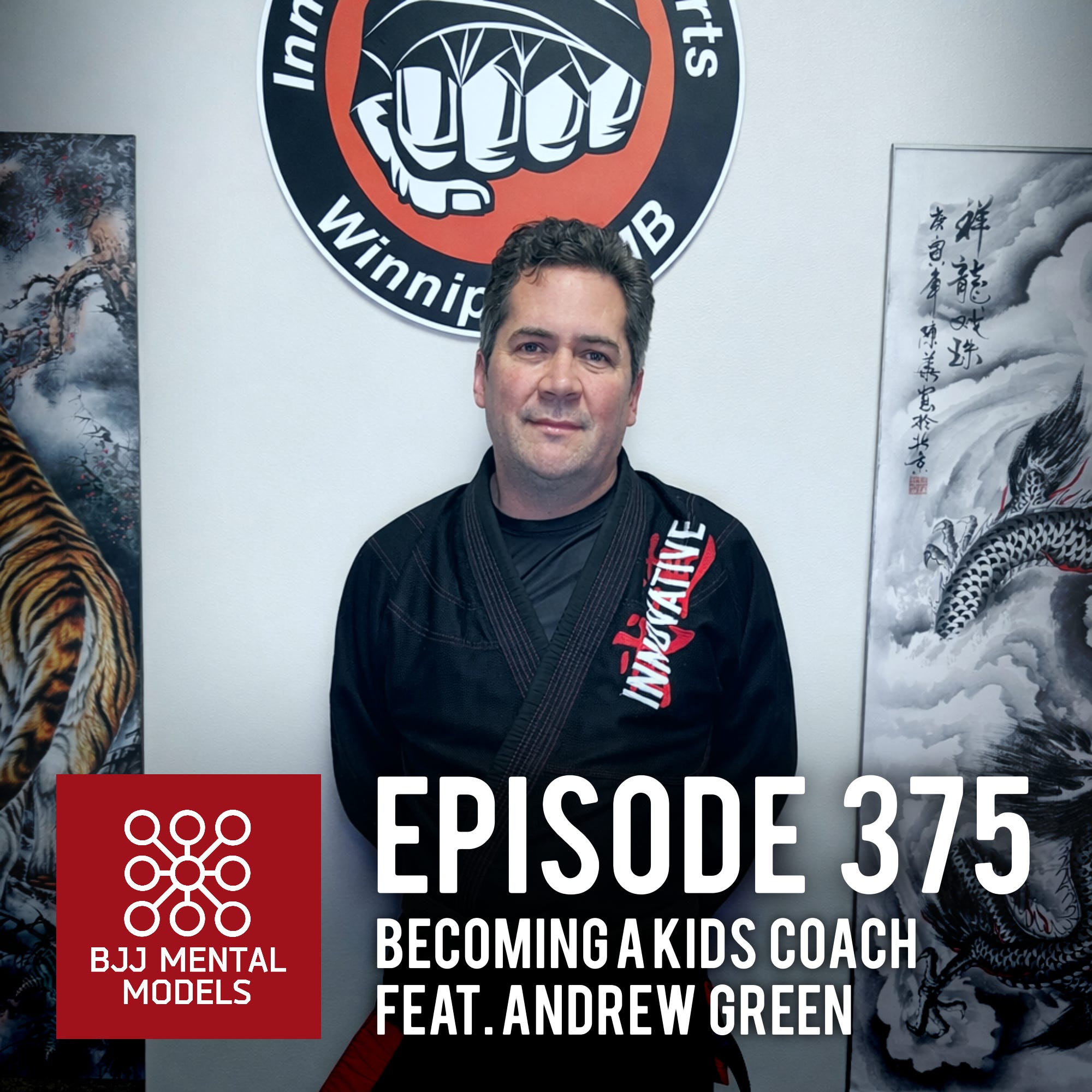
The Grappler’s Diary is sponsored by BJJ Mental Models, the world’s #1 Jiu-Jitsu education podcast!
This week on BJJ Mental Models Ep. 375, Steve sits down with Andrew Green, the creator of the Kids Jiu-Jitsu Playbook. Drawing on 25 years of experience building a kids-first academy, Andrew shares practical, hard-earned lessons on development, culture, and retention. His top 5 insights:
🧒 Kids aren’t mini-adults. Effective kids coaching starts with understanding developmental stages. What works for an 8-year-old won’t work for a 5-year-old, and teens require a completely different approach built around autonomy and respect.
🎮 Engagement beats technique. For young students, fun and motivation matter more than perfect mechanics. Games, rewards, and playful structure keep kids coming back long before technical mastery does.
🤝 Culture is coached, not assumed. Unlike adults, kids don’t create their own gym culture. Coaches must intentionally build social connections through events, leadership roles, and shared experiences.
🧠 Life skills are the real product. Parents aren’t signing kids up to create fighters. They want confidence, discipline, resilience, and emotional regulation. Jiu-Jitsu is the vehicle, not the end goal.
👨👩👧 Parents need coaching too. Clear boundaries and expectations for parents are critical. Separating parents from the mat (and educating them on the process) creates better learning outcomes for kids.
🎧 Hit this link to listen now.
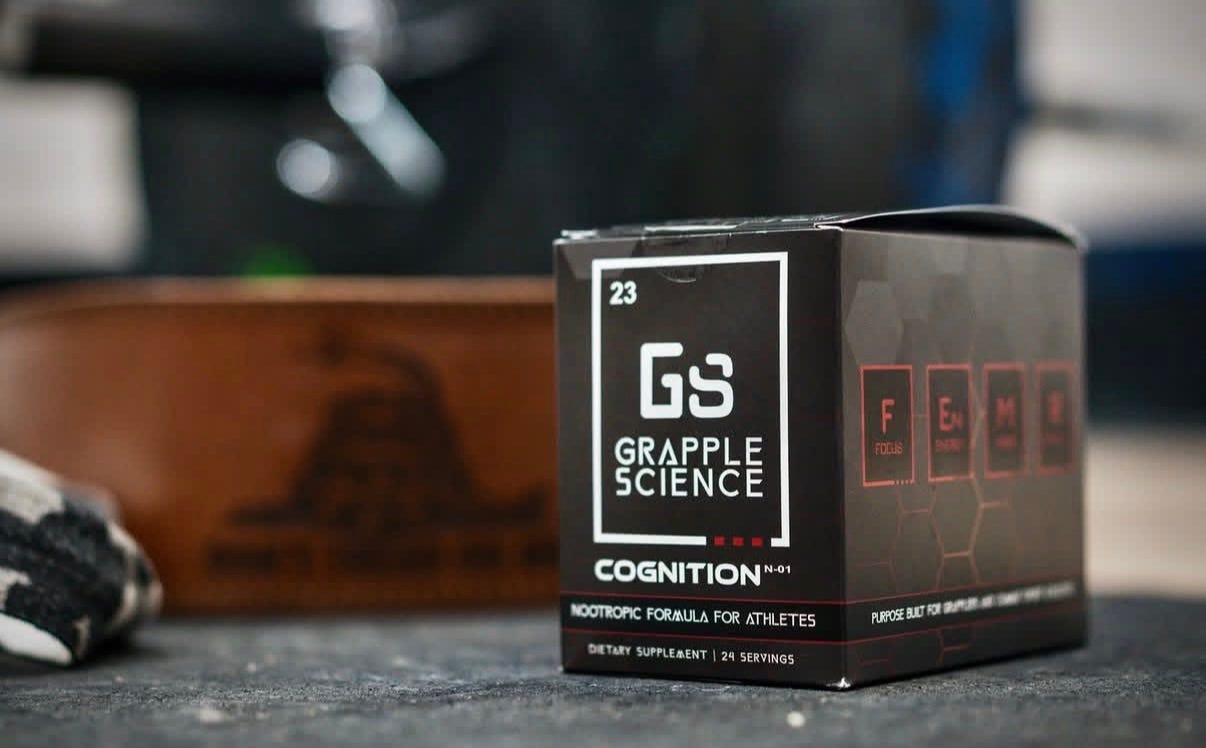
The Grappler’s Diary is also sponsored by Grapple Science!
Grapple Science is the world’s first performance nootropic for grapplers, by grapplers.
I’m always looking for ways to perform just a little bit better on the mat, and one of the hardest challenges that I have struggled with over the years is making decisions under pressure.
Whether it’s in competition, training, or even long seminar days (tomorrow I’ll be teaching 2 sessions in Prague, for instance), Grapple Science COGNITION helps me stay focused, make quality decisions, and get the job done.
Hit this link to give Grapple Science a try for yourself and use the code “DIARY” at checkout.
Thank you for reading another edition of The Grappler’s Diary!
If you enjoyed reading this article, share it with friends! Or, click on the ❤️ button on this post so more people can discover it on Substack!